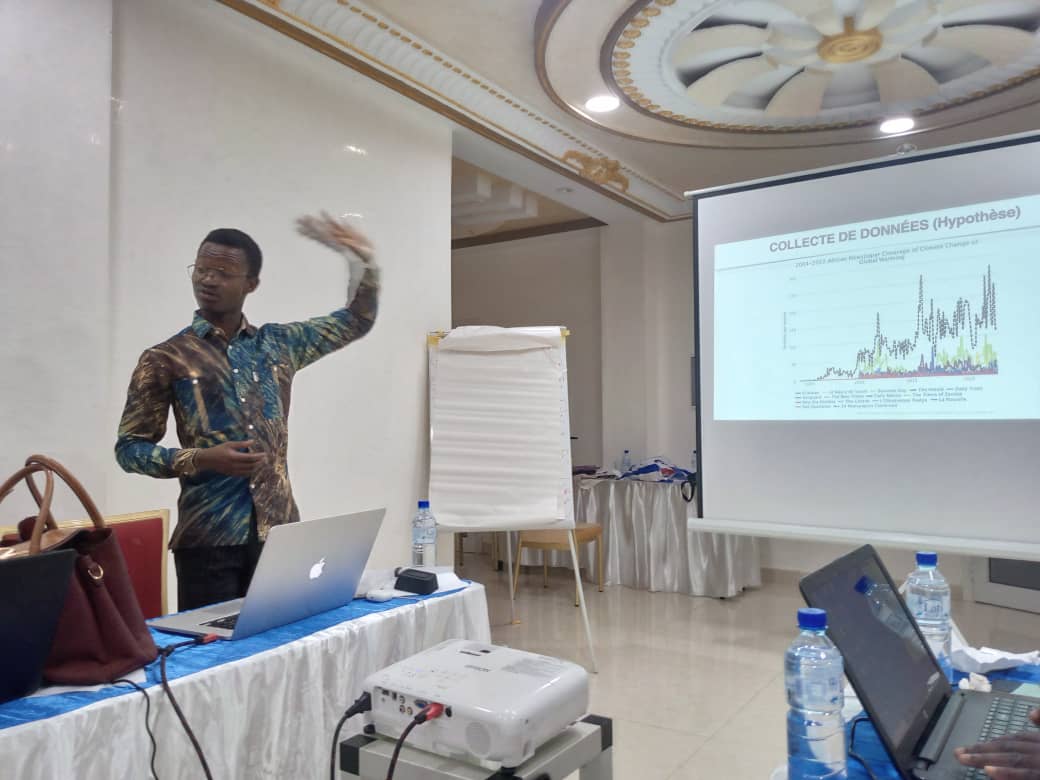
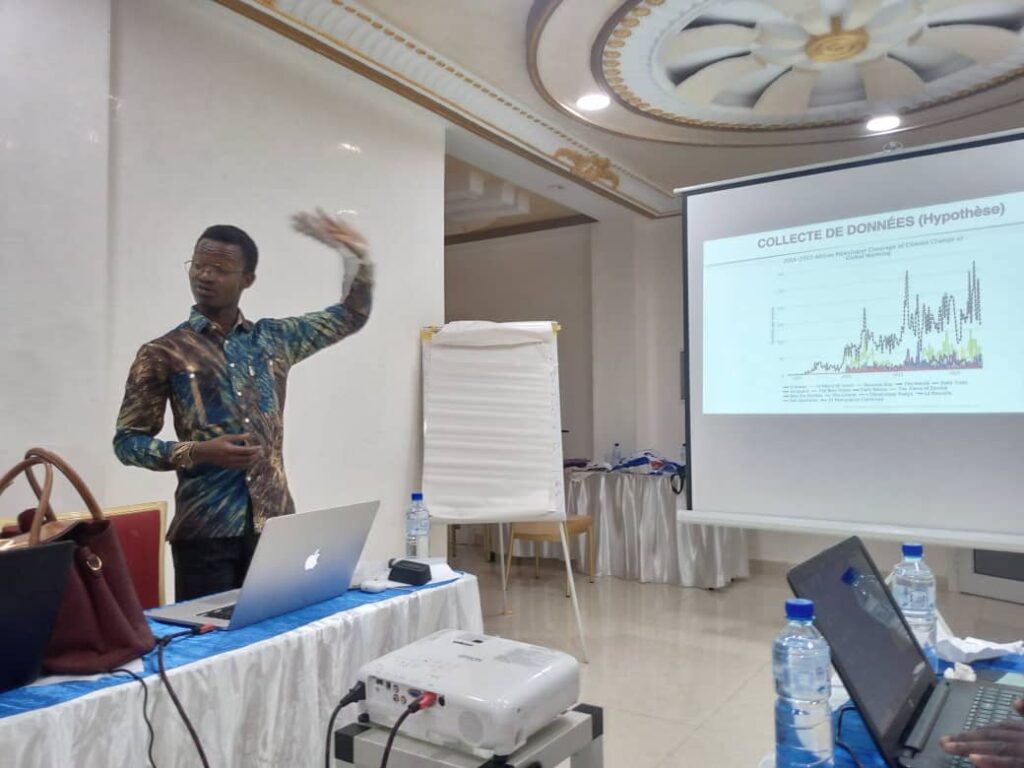
On 6 July 2023 in Ouagadougou, media professionals, civil society and government bodies discussed ways of strengthening investigative journalism in the light of climate and environmental challenges. Initiated by the Norbert Zongo Unit for Investigative Journalism in West Africa (CENOZO), the theme of the round table was “Climate and environmental challenges: how can the media, civil society and state structures work together?
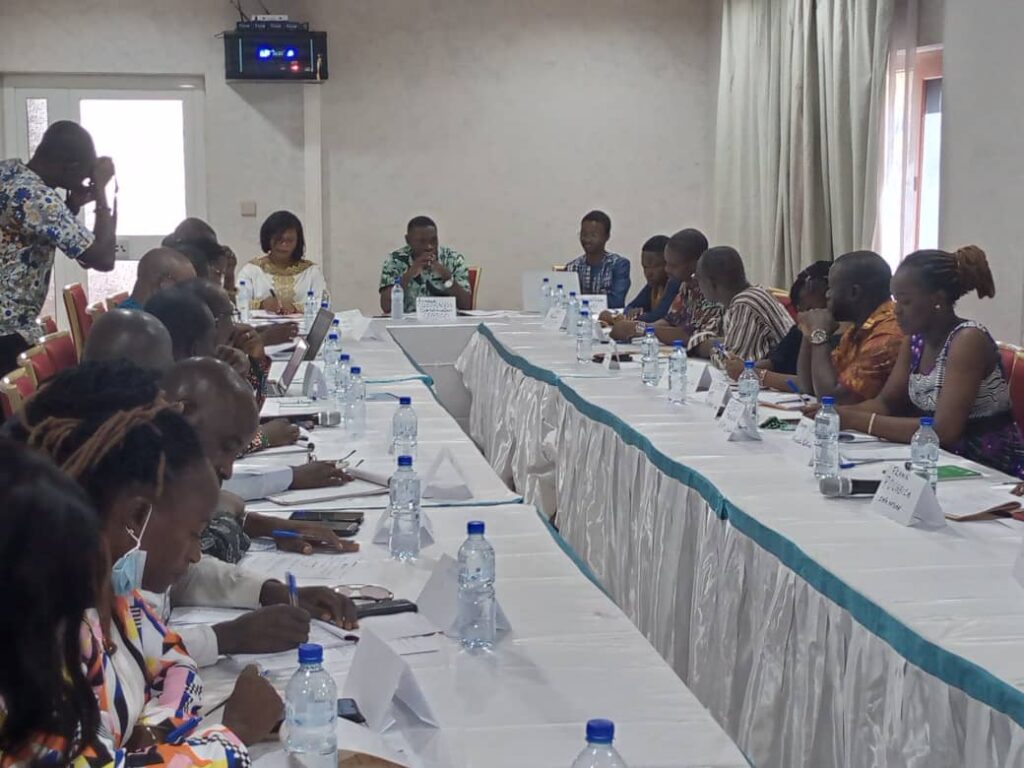
The main aim of the discussions was to enable journalists to exchange views directly with civil society and public decision-makers on the contribution of investigative journalism to climate change mitigation and resilience.
The round table was intended to be “an opportunity for investigative journalists in Burkina Faso to explain the context in which they carry out their investigations, and also to challenge civil society players and government representatives on issues relating to the environment and climate change”, explains Jérôme Bationo, journalist and moderator of the discussions. According to Bationo, this is an opportunity for civil society players and government representatives to explain the realities on the ground to journalists, and to put forward recommendations for improving collaboration between journalists, civil society and public institutions.
The journalists began by explaining the difficulties they encounter when dealing with civil society and government bodies. These difficulties include the cumbersome administration of these bodies, their mistrust of journalists and the lack of response when correspondence is sent to them. “When we send letters to government bodies, they rarely reply, even after several reminders,” says investigative journalist Gaston Sawadogo.
Civil society actors and state structures then listed the problems they face when collaborating with the media. These include a lack of respect for hierarchy when journalists are looking for information, the high cost of reporting and the fact that their organisation has no control over the profession of journalist.
Nevertheless, they all expressed their satisfaction at the opportunity to discuss the need to strengthen their collaboration.
At the end of the discussions, recommendations were made by the various stakeholders.
Journalists should promote the environment more in their articles, disseminate information about good actions and not just denounce bad actions, initiate workshops to raise awareness of their profession and set up ice-breaking sessions between journalists, civil society and state structures.
As for civil society players and state institutions, he asked them to avoid red tape, update their websites and be responsive when correspondence is sent to them.
As a reminder, the CENOZO is a regional, secular and non-political not profit association of a public nature. It was created on 9 July 2015 in Ouagadougou with the support of the United Nations Office on Drugs and Crime (UNODC). It brings together 90 investigative journalists spread across the 16 countries of West Africa. Its mission is to promote investigative journalism on corruption, bad governance, organised crime, environmental crimes, human rights violations and gender issues in West Africa.
Y G